
Why Dubai’s 15,000 Restaurants Are Pivoting to Algorithmic Competition
In a city that measures success by speed, hospitality alone is no longer enough—you need velocity. Dubai’s restaurant scene—home to roughly 15,000 establishments—faces a new form of competition, one powered not by chefs or servers, but by algorithms.
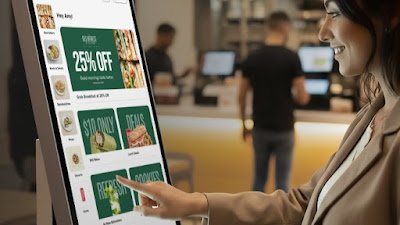
In a city that measures success by speed, hospitality alone is no longer enough—you need velocity. Dubai’s restaurant scene—home to roughly 15,000 establishments—faces a new form of competition, one powered not by chefs or servers, but by algorithms. Across the emirate’s diverse dining spectrum, from gourmet concepts to quick-service counters, operators are realizing that human-driven sales processes are leaving substantial value on the table. A new generation of AI platforms is stepping in to reclaim it, promising double-digit boosts in efficiency and revenue by optimizing everything from the menu to the moment of order. The Rise of the Algorithmic Waiter Imagine a system that never forgets an up-sell and never mistimes an offer. That’s the essence of AI-driven restaurant engines like those integrated into modern digital kiosks. They analyze thousands of customer data points in milliseconds to identify the most persuasive recommendation for each individual. This isn’t guesswork—it’s Conditional Association: a behavioral science model where every choice feeds a refined prediction engine. When a guest orders a burger, the system instantly suggests the ideal side, topping, or dessert, not randomly but based on what psychological and contextual data indicate that customer will most likely say “yes” to. The Living Menu Static menus are becoming fossils. Within this new ecosystem, menus are living interfaces—constantly reconfiguring themselves based on time of day, inventory levels, and performance data. – Contextual Shifting: The interface pivots seamlessly between breakfast, lunch, and dinner, surfacing high-margin or trending dishes based on real-time demand. – Zero-Disappointment Logic: When ingredients run out, the system automatically removes affected items and redirects customers to suitable alternatives—no apologies required. This dynamic structure not only preserves the dining experience but turns frustration points into new revenue opportunities. The Hidden Engine of Efficiency Beneath the sleek interfaces lies a deeper transformation—automation of the restaurant’s operational core. By removing manual relays between order takers and kitchen staff, AI systems reduce order processing time by nearly a fifth. – Direct Routing: Orders go straight from customer to the kitchen display system—no miscommunication, no lag. – Predictive Logistics: The AI forecasts kitchen load, adjusts customer wait estimations, and smooths workflow in real time. This dual optimization—front-of-house precision and back-of-house flow—generates a compounding effect on revenue and service consistency. The Era of Algorithmic Dining What we are witnessing is the end of “the screen” and the rise of “the engine.” In the high-stakes world of dining innovation, the ability to analyze, adapt, and convert within milliseconds defines competitive advantage. For restaurants that lack the brand magnetism or culinary artistry of standout venues like Dubai’s acclaimed innovators, optimization is not optional—it’s survival. The new hospitality economy is one where AI orchestrates experience, loyalty, and profit simultaneously, leaving traditional service models chasing in its wake. Dubai’s food tech movement isn’t about replacing hospitality with machines—it’s about redefining hospitality’s speed, precision, and personalization. And in a city built on reinvention, algorithmic dining may be its next great export.